A microplastic free toothbrush is becoming an essential choice for people who want to reduce plastic exposure in daily routines. Toothbrushing happens at least twice a day for most people. This makes the materials used in toothbrushes a consistent source of contact with the mouth. Traditional toothbrushes are usually made from petroleum based plastics that wear down over time.
According to the World Health Organization, microplastics are present across the food chain and household environment. Items that experience repeated friction and moisture are more likely to shed particles. Toothbrushes fall directly into this category. Choosing a microplastic free toothbrush reduces both personal exposure and long term environmental pollution.
What Is a Microplastic Free Toothbrush
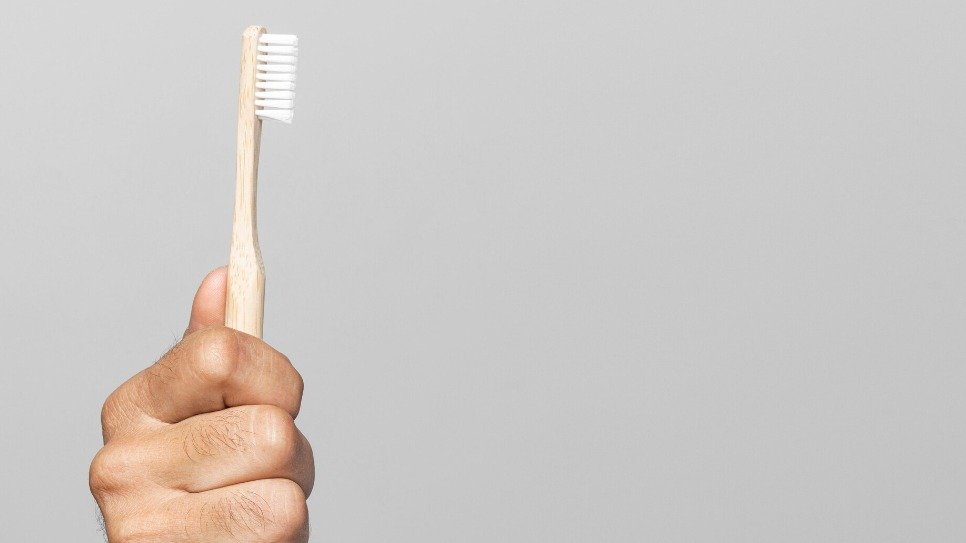
A microplastic free toothbrush is a toothbrush made without petroleum based plastics that can shed microplastic particles during use.
These toothbrushes are typically made from materials such as bamboo, wood, or other natural fibers. The bristles are often plant based or made from biodegradable alternatives instead of nylon. This difference in material composition is critical when evaluating microplastic exposure.
Plastic toothbrushes degrade through daily brushing. Friction against teeth causes tiny plastic fragments to detach. These fragments may be swallowed or washed into water systems. A microplastic free toothbrush avoids this exposure route entirely.
Common materials used
- Bamboo handles
- Wooden handles
- Plant based bristles
- Compostable polymers
Not all eco labeled toothbrushes are plastic free. Material transparency matters.
Why Plastic Toothbrushes Contribute to Microplastics
Plastic toothbrushes shed microplastics due to friction, moisture, and repeated mechanical stress.
Most conventional toothbrushes use nylon bristles. Nylon is a synthetic polymer that breaks down into microplastic fibers. A study cited by the United Nations Environment Programme found that synthetic textiles and consumer products are among the largest sources of microplastic pollution.
Each brushing session causes bristles to bend and wear. Over months, bristle tips break down. This creates micro sized plastic fragments that may enter the mouth or wastewater.
Key factors that increase shedding
- Hard brushing pressure
- Worn or frayed bristles
- Long term use beyond three months
- Hot water rinsing
Switching to a microplastic free toothbrush removes these factors completely.
Health Considerations of Toothbrush Microplastics
Microplastic exposure from toothbrushes adds to cumulative intake through ingestion and oral contact.
The World Health Organization confirms that humans ingest microplastics through food and water. While most particles are excreted, smaller particles may interact with tissues. The mouth is a sensitive area with frequent absorption pathways.
A 2022 study published in Environmental Science and Technology detected microplastics in human blood, confirming systemic exposure. Toothbrushes are not the largest source, but they represent a daily exposure that is easy to eliminate.
Why oral exposure matters
- Brushing occurs daily
- Mouth tissues absorb substances easily
- Particles mix with saliva
- Exposure happens close to digestion
A microplastic free toothbrush reduces one avoidable source.
Environmental Impact of Toothbrush Waste
Plastic toothbrushes are a major contributor to long term plastic pollution.
The American Dental Association recommends replacing toothbrushes every three to four months. This means one person may discard four plastic toothbrushes per year. Globally, this equals billions of plastic toothbrushes entering landfills and oceans annually.
Plastic toothbrushes do not biodegrade. They fragment into microplastics over decades. According to UNEP, small plastic items are a significant contributor to environmental microplastic load because they break down faster than larger plastics.
Environmental consequences
- Long lasting landfill waste
- Ocean pollution from plastic fragments
- Wildlife ingestion of plastic pieces
- Increased microplastic concentration in soil
Choosing a microplastic free toothbrush supports waste reduction at the source.
How a Microplastic Free Toothbrush Compares to Plastic
A microplastic free toothbrush performs similarly for oral hygiene while eliminating plastic shedding.
Dental professionals agree that brushing technique matters more than handle material. Studies show that soft bristles clean effectively without damaging enamel. Many non plastic toothbrushes meet these criteria.
Comparison overview
- Plastic toothbrush sheds microplastics
- Bamboo toothbrush does not shed plastic
- Cleaning effectiveness is similar
- Environmental impact is lower for natural materials
This makes switching to a microplastic free toothbrush a low risk, high benefit choice.
Choosing a Truly Microplastic Free Toothbrush
Selecting the right product is essential because not all alternatives are fully plastic free.
What to check before buying
- Handle made from bamboo or wood
- Bristles labeled plant based or biodegradable
- No nylon or polypropylene listed
- Compostable or recyclable packaging
- Clear end of life disposal instructions
Some people pair a microplastic free toothbrush with microplastic free toothbrush to reduce overall plastic exposure during oral care.
Latest Statistics and Research Insights
Recent data supports safer choices.
- WHO confirms daily microplastic ingestion worldwide
- UNEP identifies consumer products as major pollution sources
- ADA recommends frequent toothbrush replacement
- Environmental studies show plastic items fragment into microplastics
These findings highlight why daily use items matter.
Summary Table
| Feature | Plastic Toothbrush | Microplastic Free Toothbrush |
|---|---|---|
| Microplastic shedding | High | None |
| Biodegradability | Very low | High |
| Environmental impact | Significant | Minimal |
| Oral cleaning | Effective | Effective |
| Disposal footprint | Long term | Reduced |
TLDR
- Microplastic free toothbrush avoids plastic bristles and handles
- Plastic toothbrushes shed microplastics during brushing
- Oral exposure happens daily and is avoidable
- Environmental waste from toothbrushes is significant
- Natural alternatives clean teeth just as well
Conclusion
Switching to a microplastic free toothbrush is a simple and effective way to reduce daily plastic exposure. Toothbrushing is a habit repeated thousands of times each year. Eliminating plastic from this routine lowers cumulative microplastic intake and reduces environmental waste. With similar performance and growing availability, microplastic free options offer a safer and more responsible choice for oral health.
FAQs
What makes a toothbrush microplastic free
It contains no petroleum based plastics in the handle or bristles
Are bamboo toothbrushes always microplastic free
Most are, but bristle material should still be checked carefully.
Do microplastic free toothbrushes clean as well
Yes. Cleaning effectiveness depends on bristle softness and technique.
How often should a microplastic free toothbrush be replaced
Every three to four months, same as plastic toothbrushes.
Is switching toothbrushes enough to reduce microplastics
It helps. Reducing multiple daily sources gives the best results.