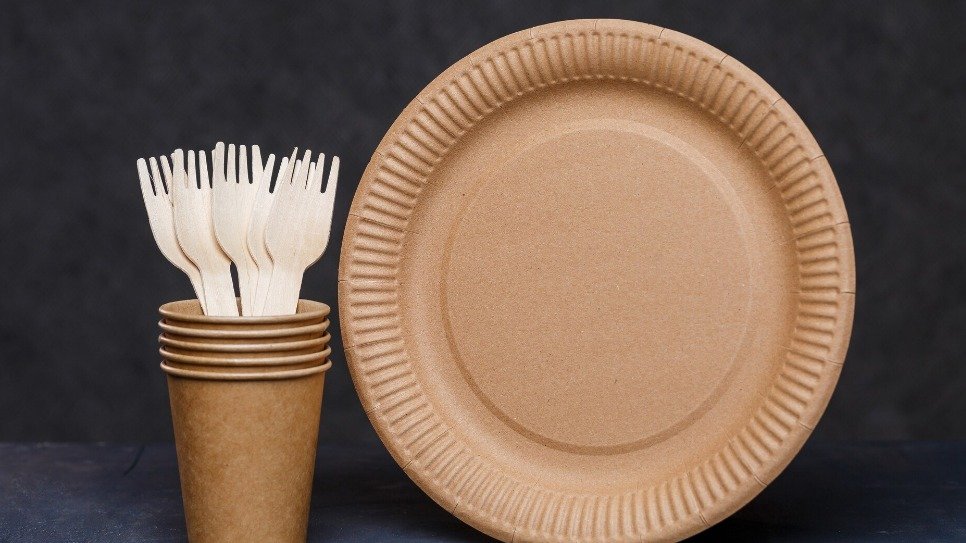
Disposable tableware looks harmless at first glance.
Many people assume paper means natural and plastic free.
That assumption is why the question do paper plates have microplastics has become increasingly important.
Paper plates are widely used at parties, schools, and outdoor events.
They are often marketed as eco friendly or biodegradable.
However, modern paper plates are rarely plain paper.
Most are engineered to resist moisture, grease, and heat.
To achieve this, manufacturers frequently add coatings or linings.
Those coatings are the key to understanding do paper plates have microplastics.
TLDR: Do Paper Plates Have Microplastics
- Do paper plates have microplastics is often yes, depending on coatings
- Many paper plates contain plastic based or polymer coatings
- These coatings can fragment into microplastics during use or disposal
- Heat, moisture, and acidic foods increase particle release
- Uncoated or certified compostable plates are safer options
What Paper Plates Are Actually Made Of
To understand do paper plates have microplastics, you must look beyond the paper.
Paper plates are typically made from wood pulp.
On their own, cellulose fibers do not form microplastics.
The issue comes from added surface treatments.
Common additions to paper plates
- Plastic based coatings for water resistance
- Polymer binders to improve strength
- Wax or synthetic blends for grease resistance
- PFAS based treatments in some products
These additions can introduce plastic polymers.
Once plastic is present, microplastic formation becomes possible.
Do Paper Plates Have Microplastics From Coatings
Yes, do paper plates have microplastics is often true when plates use plastic or polymer coatings.
Several studies on food contact materials show that coated paper products can shed microscopic particles.
When exposed to moisture or friction, coatings can degrade.
This degradation can release tiny plastic fragments.
A 2021 European food packaging review found that polymer coated paper materials can release micro and nanoplastics under real use conditions.
The authors highlighted heat and liquid contact as major risk factors.
This directly links coated paper plates to microplastic exposure pathways.
Do Paper Plates Have Microplastics When Used With Hot Food
Yes, do paper plates have microplastics becomes more likely with hot or greasy foods.
Heat accelerates polymer breakdown.
Grease weakens coating integrity.
Acidic foods can further destabilize surface layers.
High risk use scenarios
- Hot pizza or fried foods
- Saucy or oily meals
- Microwave reheating on paper plates
- Long contact time with liquids
These conditions increase the chance of particle migration from the plate to food.
What Studies Say About Plastic Coatings and Exposure
Research increasingly shows that food contact materials are a relevant microplastic exposure source.
According to the European Food Safety Authority, food packaging is a potential contributor to microplastic intake.
The World Health Organization also notes that food contact materials are an exposure pathway under investigation.
A 2022 review on microplastics in food contact materials reported that coated paper products can release micro sized particles during normal use.
While exact exposure levels vary, the presence of plastic polymers is well established.
This evidence reinforces why do paper plates have microplastics is a valid concern.
Do Paper Plates Have Microplastics or PFAS
Some paper plates contain PFAS, which are not microplastics but often coexist with plastic coatings.
PFAS are used to resist grease and water.
They are sometimes called forever chemicals due to persistence.
While PFAS are chemically different from microplastics, they are often applied alongside polymer coatings.
Studies from environmental health agencies show that PFAS coated paper products can break down into smaller fragments over time.
This adds another layer of concern beyond microplastics alone.
Environmental Impact of Paper Plates With Plastic Coatings
When paper plates contain plastic, they lose many environmental benefits.
Plastic coated plates are harder to recycle.
They often cannot be composted.
When they break down, they may release microplastics into soil and water.
According to the United Nations Environment Programme, single use food packaging contributes significantly to plastic pollution when not properly managed.
Plastic coated paper products blur the line between paper and plastic waste.
This makes do paper plates have microplastics relevant not only for health but also for sustainability.
How to Identify Paper Plates Without Microplastics
Not all paper plates contain plastic coatings, but you must check carefully.
What to look for
- Labels stating uncoated or plastic free
- Certified compostable standards
- Molded fiber or bagasse plates
- Transparency about coatings
What to avoid
- Glossy or shiny surfaces
- Strong water or grease resistance without explanation
- Vague eco claims without certification
These steps reduce exposure risk when asking do paper plates have microplastics.
Summary Table
| Plate Type | Plastic Coating | Microplastic Risk | Disposal Impact |
|---|---|---|---|
| Plain uncoated paper | No | Low | Compostable |
| Plastic coated paper | Yes | Moderate to high | Difficult to recycle |
| Wax or polymer blend | Often | Moderate | Limited composting |
| Molded fiber plates | No | Low | Compostable |
Why This Matters for Daily Exposure
Microplastic exposure is cumulative and comes from many small sources.
The World Health Organization estimates humans may ingest thousands of microplastic particles annually through food and water.
While paper plates are not the largest source, they contribute when plastic coatings are involved.
Reducing small, repeated exposures matters over time.
That is why answering do paper plates have microplastics helps guide safer everyday choices.
Conclusion
So, do paper plates have microplastics.
The answer depends on how the plate is made.
Plain paper does not create microplastics.
But many paper plates contain plastic or polymer coatings that can shed microplastic particles under heat, moisture, and wear.
If you use paper plates occasionally, the risk is small.
If you use them frequently, choosing uncoated or certified compostable options makes a real difference.
Understanding materials is the key to reducing unnecessary exposure.
FAQs
Do paper plates have microplastics apply to all brands
No. Only plates with plastic or polymer coatings pose this risk.
Can compostable paper plates still contain plastic
Some do. Certification matters. Look for clear compostable standards.
Does microwaving increase do paper plates have microplastics risk
Yes. Heat can accelerate coating breakdown and particle release.
Are paper plates safer than plastic plates
Often yes, but only if they are uncoated and plastic free.
How can I fully avoid do paper plates have microplastics
Use ceramic, stainless steel, or certified uncoated fiber based plates.
Recent Blogs
Can You Sweat Out Microplastics