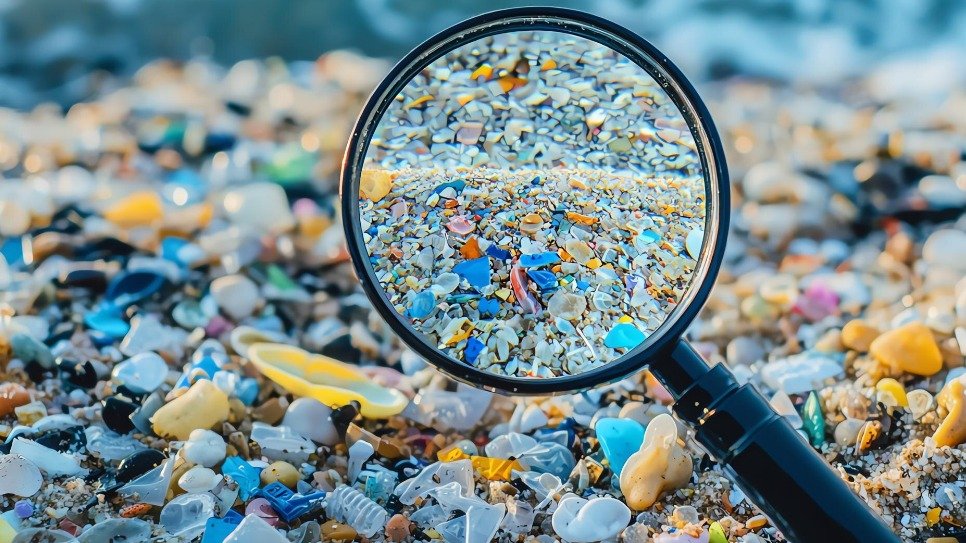
The question how to limit microplastics is no longer niche. Microplastics are now found in water, food, air, and household dust. They are plastic particles smaller than five millimeters that originate from consumer products and environmental breakdown.
The World Health Organization (WHO) confirms that microplastics are present in drinking water globally.
Understanding how to limit microplastics starts with knowing where exposure happens and which actions actually reduce it.
TLDR: How to Limit Microplastics
How to limit microplastics focuses on reducing daily exposure, not detox myths
Major sources include water, food packaging, textiles, and indoor air
WHO and UNEP confirm widespread environmental presence
Small lifestyle changes reduce cumulative intake
Prevention works better than removal
Where Microplastic Exposure Comes From
To know how to limit microplastics, you must identify the main exposure pathways.
Microplastics enter the body mainly through ingestion and inhalation. Drinking water, food contact materials, and airborne fibers are the most consistent sources.
Primary exposure sources
Drinking water and bottled water
Food packaging and containers
Synthetic clothing fibers
Indoor dust and air
Personal care and household products
The WHO highlights that exposure assessment is ongoing but confirms multiple pathways exist.
How to Limit Microplastics in Drinking Water
One of the most effective ways how to limit microplastics is by improving drinking water choices.
Microplastics have been detected in tap water and bottled water. Several studies show bottled water often contains higher microplastic counts than tap water.
The WHO notes that water treatment can remove many particles but not all.
Practical steps for water
Use high quality household water filters
Prefer filtered tap water over bottled water
Avoid heating water in plastic containers
Store water in glass or stainless steel
These steps directly reduce ingestion exposure.
How to Limit Microplastics From Food and Packaging
Food contact materials are a major focus when learning how to limit microplastics.
Plastic containers, wraps, and lids can release particles during heat or wear. The European Food Safety Authority (EFSA) identifies food packaging as an exposure route under active assessment.
Lower risk food habits
Use glass or ceramic food storage
Avoid microwaving food in plastic
Reduce consumption of heavily packaged foods
Choose fresh, unpackaged produce
Limiting plastic contact during food preparation significantly lowers intake.
How to Limit Microplastics From Clothing and Textiles
Textiles are one of the largest contributors, making clothing choices critical for how to limit microplastics.
Synthetic fabrics release microfibers during washing and wear. The International Union for Conservation of Nature (IUCN) estimates synthetic textiles contribute around 35 percent of primary microplastics entering oceans.
Effective textile strategies
Wash clothes less frequently
Use cold water and gentle cycles
Avoid overloading washing machines
Air dry instead of tumble drying
Use microfiber catching laundry tools
These actions reduce both environmental release and indoor exposure.
How to Limit Microplastics in Indoor Air
Indoor air is an underestimated factor in how to limit microplastics.
Indoor environments often contain synthetic fibers from clothing, furniture, and carpets. These fibers settle as dust and can be inhaled.
Recent environmental health reviews show indoor air may contain more microfibers than outdoor air. This makes ventilation an important control step.
Indoor air reduction steps
Vacuum with HEPA filters
Ventilate rooms daily
Reduce synthetic carpeting where possible
Wash textiles that shed heavily
Air quality improvements help reduce inhalation exposure.
Latest Statistics on Microplastic Exposure
Here are verified figures from credible institutions.
WHO confirms microplastics are present in drinking water worldwide
UNEP reports global plastic production exceeds 400 million tonnes annually
IUCN estimates synthetic textiles contribute about 35 percent of primary ocean microplastics
These numbers show why how to limit microplastics matters for long term exposure.
How to Limit Microplastics Through Daily Habits
Consistent habits are more effective than extreme changes.
Daily actions that help
Carry reusable bottles and containers
Choose natural fiber clothing when possible
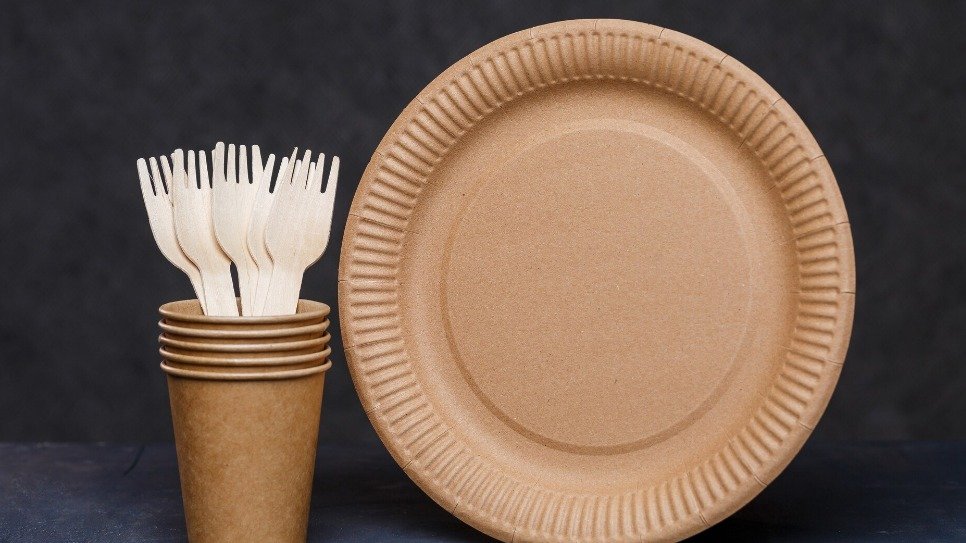
Reduce single use plastics
Avoid plastic utensils and tableware
Support products with transparent material disclosures
No single action eliminates exposure. Combined actions create meaningful reduction.
Summary Table
Source
How exposure happens
How to limit microplastics
Drinking water
Ingestion
Use effective filtration
Food packaging
Heat and wear release
Switch to glass or steel
Clothing
Fiber shedding
Gentle washing practices
Indoor air
Inhalation
Improve ventilation
Household items
Surface wear
Reduce plastic use
Conclusion
Learning how to limit microplastics is about control, not fear. Microplastics are widespread, but exposure varies based on daily choices.
Global authorities like WHO, UNEP, and IUCN confirm the presence of microplastics across water, food, and air. At the same time, research shows that reducing plastic contact and improving filtration lowers exposure.
Prevention remains the most effective strategy. Small changes, applied consistently, make a measurable difference.
FAQs
Is how to limit microplastics realistic in modern life
Yes. You cannot eliminate exposure completely, but you can reduce it significantly.
Does filtering water really help how to limit microplastics
Yes. High quality filters reduce microplastic particles in drinking water.
Are natural fabrics better for how to limit microplastics
Generally yes. They shed fibers but not plastic microfibers.
Should I avoid all plastic products to how to limit microplastics
No. Focus on reducing unnecessary contact and heat exposure.
Is how to limit microplastics supported by science
Yes. WHO and UNEP support exposure reduction as a precautionary approach.