The question does tupperware have microplastics has become increasingly relevant as people reassess plastic food storage. Tupperware is widely used because it is lightweight, reusable, and convenient. However, growing awareness of microplastic exposure has raised concerns about whether these containers release tiny plastic particles into food.
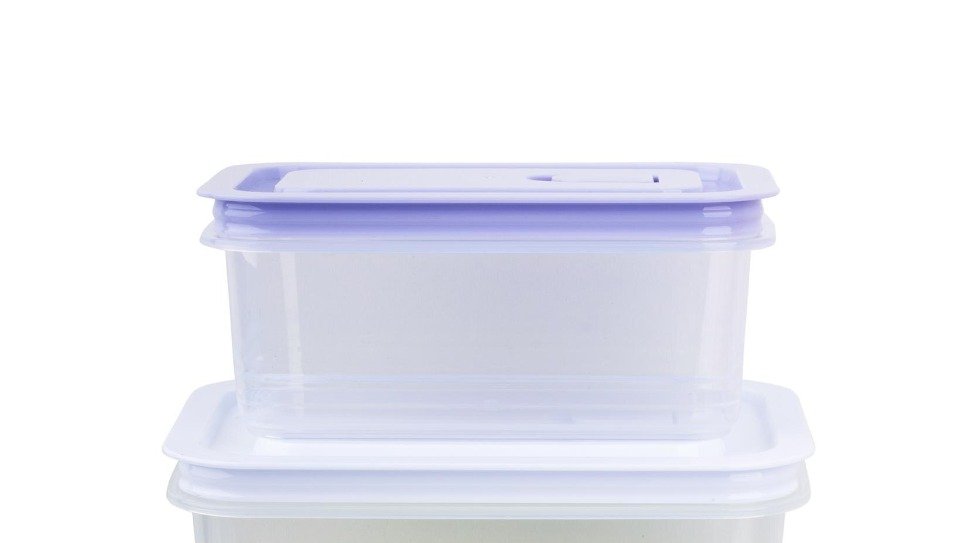
Tupperware products are made from plastic polymers such as polypropylene. These materials are considered food safe under normal conditions. However, safety does not mean zero particle release. Understanding does tupperware have microplastics requires examining how plastic behaves when exposed to heat, friction, and aging.
According to the World Health Organization, microplastics are now detected throughout the food chain. This makes everyday food contact materials an important area of study.
Does Tupperware Have Microplastics During Normal Use
Yes, does tupperware have microplastics is supported by research showing that plastic containers can shed micro sized particles over time.
Plastic food containers experience repeated opening, closing, washing, and stacking. These actions cause surface wear. When surfaces degrade, microscopic plastic fragments can detach and contaminate food.
A 2021 study cited by the European Food Safety Authority found that repeated mechanical stress on polypropylene food containers increased surface degradation. This degradation is one of the pathways through which microplastics form.
Common causes of particle release
- Scratching from utensils
- Repeated dishwashing cycles
- Stacking and friction
- Long term material aging
These factors explain why does tupperware have microplastics depends on usage patterns.
Does Heat Increase Microplastic Release From Tupperware
Yes, heat significantly increases the risk when asking does tupperware have microplastics.
Heating plastic accelerates polymer breakdown. The United States Food and Drug Administration states that heating food in plastic containers not labeled microwave safe may increase material degradation.
A 2020 EFSA review found that high temperatures increase both chemical migration and surface wear in plastic food containers. This includes polypropylene, the material commonly used in Tupperware
Heat related risk situations
- Microwaving leftovers in plastic
- Pouring hot food directly into containers
- Dishwasher cycles using high heat
- Storing hot oils or acidic foods
Avoiding heat exposure is critical when managing does tupperware have microplastics.
Does Tupperware Have Microplastics That Affect Health
Potentially yes. Does tupperware have microplastics matters because ingested particles contribute to cumulative exposure.
The World Health Organization confirms that humans ingest microplastics through food and water. While most particles are excreted, smaller particles may interact with tissues. A 2022 study in Environmental Science and Technology detected microplastics in human blood, confirming systemic exposure.
Plastic food containers are considered a secondary source. However, frequent use combined with other exposure sources increases overall intake.
Exposure pathways from containers
- Eating food stored long term
- Heating meals in plastic
- Consuming acidic or oily foods
- Using scratched containers
This supports why does tupperware have microplastics is a valid health question.
Does Tupperware Have Microplastics Compared to Other Storage Materials
Yes, Tupperware releases more microplastics than glass or stainless steel, but less than low quality disposable plastics.
Glass and stainless steel are inert. They do not degrade into microplastics. Plastic containers sit in the middle in terms of risk.
According to the United Nations Environment Programme, reusable plastics reduce waste but still contribute to microplastic exposure through wear.
Storage material comparison
- Glass releases no microplastics
- Stainless steel releases minimal particles
- Tupperware releases particles when worn
- Disposable plastics release the most
This context clarifies does tupperware have microplastics in everyday use.
How to Reduce Microplastic Exposure From Tupperware
Reducing exposure is essential when addressing does tupperware have microplastics. Proper use significantly lowers risk.
Practical safety steps
- Do not microwave unless labeled safe
- Avoid storing hot foods
- Replace scratched containers
- Use plastic for cold storage only
- Hand wash instead of high heat dishwashers
These steps help limit microplastic release.
Latest Statistics and Research
Recent findings explain the growing concern.
- WHO confirms microplastics are present in the global food supply
- EFSA reports increased plastic degradation under heat
- FDA advises caution when heating food in plastic containers
- UNEP states household plastics contribute to cumulative exposure
These data points reinforce why does tupperware have microplastics is an important consumer topic.
Summary Table
| Material | Microplastic Release | Heat Safety | Best Use |
|---|---|---|---|
| Tupperware | Medium | Limited | Cold storage |
| Disposable plastic | High | Low | Avoid |
| Glass | None | High | All foods |
| Stainless steel | Very low | High | All foods |
| Silicone | Very low | High | Flexible use |
TLDR
- Does tupperware have microplastics has a qualified yes
- Plastic containers shed particles through wear and heat
- Microwaving increases release risk
- Glass and steel are safer alternatives
- Proper use greatly reduces exposure
Conclusion
The question does tupperware have microplastics has a clear science based answer. Tupperware and similar plastic containers can release micro sized plastic particles, especially when heated or damaged. While occasional use is unlikely to cause harm, repeated exposure adds to overall microplastic intake. Using plastic containers correctly and switching to inert materials for hot foods provides a safer long term approach.
FAQs
Does tupperware have microplastics if it looks new
Yes, but release is much lower when the surface is smooth and undamaged.
Is microwaving tupperware safe
Only if clearly labeled microwave safe. Even then, heat increases degradation.
Are children more vulnerable to microplastics
Yes. Lower body weight increases relative exposure.
Is tupperware safer than disposable plastic
Generally yes, but both release particles over time.
Should plastic food containers be replaced regularly
Yes. Replace containers that show scratches or cloudiness.