Learning how to avoid microplastics in clothing matters because textiles are one of the largest contributors to plastic pollution. Clothing does not just affect oceans. It also affects indoor air, household dust, and personal exposure.
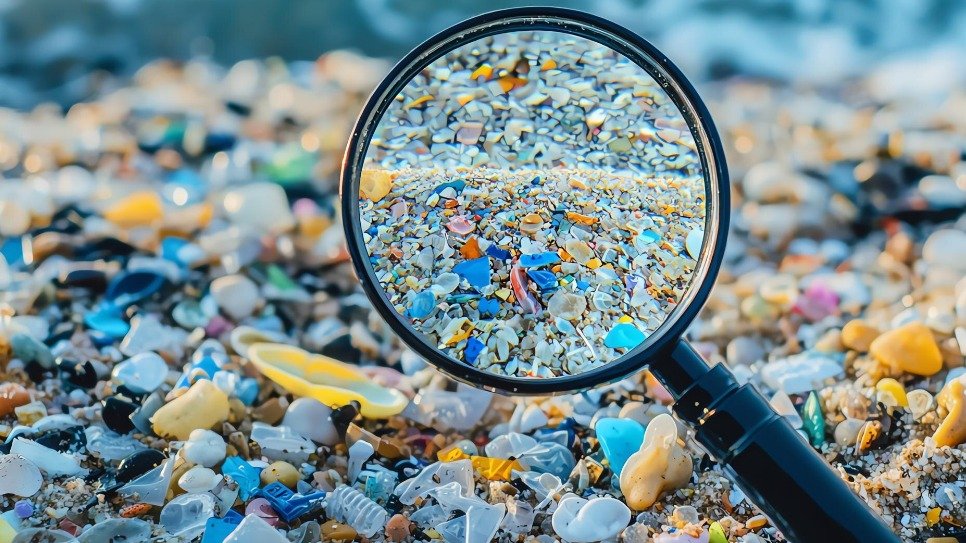
Microplastics are plastic particles smaller than five millimeters. When synthetic clothes are worn and washed, they shed microfibers. These fibers are a form of microplastics.
The United Nations Environment Programme (UNEP) identifies synthetic textiles as a major source of primary microplastics released into the environment.
Understanding how to avoid microplastics in clothing starts with fabric choices and continues with how clothes are used and washed.
TLDR: How to Avoid Microplastics in Clothing
How to avoid microplastics in clothing begins with reducing synthetic fabrics
Polyester, nylon, acrylic, and elastane shed plastic microfibers
Washing is the main release point
IUCN estimates textiles contribute about 35 percent of primary ocean microplastics
Fabric selection and laundry habits can significantly reduce shedding
Why Clothing Is a Major Microplastic Source
To know how to avoid microplastics in clothing, you must understand why clothes shed plastic fibers.
Synthetic fabrics are made from plastic polymers. When these materials bend, stretch, or rub, tiny fibers break loose. Washing machines accelerate this process.
These steps reduce both environmental release and indoor contamination.
Indoor Air and Clothing Microplastics
Indoor air exposure is part of how to avoid microplastics in clothing.
Synthetic fibers shed not only in water but also into air. They settle as dust and can be inhaled.
Environmental health studies show indoor air can contain higher microfiber concentrations than outdoor air. Clothing, carpets, and furniture are major contributors.
Reducing indoor fiber exposure
Ventilate rooms daily
Vacuum with HEPA filters
Wash new synthetic clothes before wearing
Reduce synthetic furnishings where possible
These steps complement fabric and laundry choices.
Latest Statistics You Can Trust
Here are current data points from credible institutions.
IUCN estimates synthetic textiles contribute about 35 percent of primary ocean microplastics
UNEP reports global textile production exceeds 100 million tonnes per year
WHO confirms microplastics are present across the water cycle, including drinking water
These figures explain why how to avoid microplastics in clothing is increasingly important.
Longer garment life means fewer fibers released overall.
Summary Table
Factor
Microplastic risk
How to avoid microplastics in clothing
Fabric type
High for synthetics
Choose natural fibers
Washing
Major release point
Gentle cycles and cold water
Blends
Still shed plastic
Minimize elastane content
Indoor air
Fiber inhalation
Ventilation and HEPA filters
Garment quality
Low quality sheds more
Buy durable clothing
Conclusion
Understanding how to avoid microplastics in clothing is about informed choices, not perfection. Synthetic textiles are deeply embedded in modern wardrobes. But exposure is not fixed.
Global authorities such as UNEP and IUCN confirm textiles are a major microplastic source. Research also shows that fabric choice and laundry habits make a real difference.
By choosing natural fibers, washing thoughtfully, and reducing unnecessary synthetic use, you can significantly lower both environmental impact and personal exposure.
FAQs
Is how to avoid microplastics in clothing realistic
Yes. You cannot eliminate exposure entirely, but you can reduce it substantially.
Are natural fabrics completely microplastic free
They shed fibers, but those fibers are not plastic.
Do blended fabrics defeat how to avoid microplastics in clothing
They increase shedding risk. Lower synthetic content helps but does not eliminate it.
Does washing less often really help
Yes. Fewer washes mean fewer fiber release events.
Is how to avoid microplastics in clothing supported by science
Yes. UNEP and IUCN both emphasize textile source reduction as a key strategy.