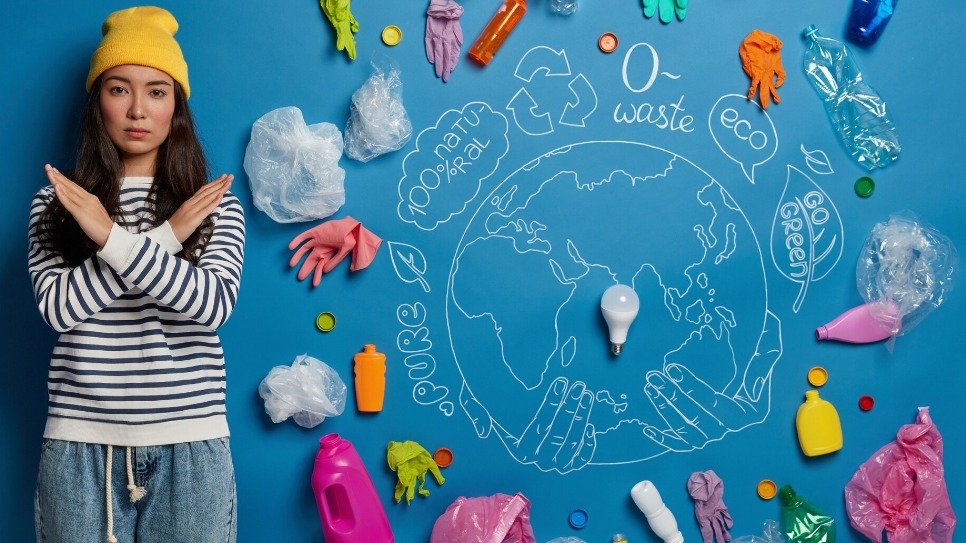

Many people want to learn how to avoid microplastics in water because microplastics are now found in both bottled and tap water worldwide. These plastic particles are smaller than five millimeters and may come from water pipes, plastic bottles, filtration systems, or environmental pollution. The World Health Organization has confirmed that microplastics have been found in drinking water across multiple continents, raising concerns about long term ingestion.
Research shows that water can contain microplastic fragments, microfibers, and tiny particles that break off from containers. Although health effects are still being studied, reducing daily exposure is recommended. Understanding how to avoid microplastics in water gives families practical strategies to protect health.
How Do Microplastics Get into Drinking Water
Microplastics enter drinking water from environmental pollution, plastic packaging, and breakdown of pipes and treatment systems.
Water travels through plastic pipes and storage tanks. Handling, bottling, and transportation also introduce plastic particles. Outdoor wastewater releases microplastics into rivers, lakes, and groundwater that later become drinking water sources.
Common entry points of microplastics
- Plastic bottle shedding
- Distribution pipe erosion
- Atmospheric deposition into reservoirs
- Water treatment system wear
- Synthetic clothing fibers in wastewater
This insight helps guide approaches for how to avoid microplastics in water at home.
How to Avoid Microplastics in Water with Proper Filtration
Filtering water with technologies designed for microplastic removal is one of the most effective solutions.
A major scientific review found that reverse osmosis, ultrafiltration, and nanofiltration systems remove a high percentage of microplastics from drinking water.
Best filtration options
- Reverse osmosis
- Ultrafiltration
- Activated carbon paired with fine membrane filters
- Whole house filtration systems
- Faucet or under sink microplastic rated filters
These filtration systems support how to avoid microplastics in water by removing particles before drinking.
Avoid Bottled Water to Reduce Microplastics Intake
Drinking bottled water increases microplastic ingestion, so switching to filtered tap water reduces exposure.
Researchers found that bottled water samples contain significantly more microplastics than tap water. Plastic bottles shed particles through friction, sunlight exposure, and transportation vibration.
Safer water habits
- Choose reusable glass bottles
- Store water away from heat
- Avoid scratching reusable plastic bottles
- Do not reuse soft single use bottles
Small changes improve how to avoid microplastics in water every day.
How Storage Containers Affect Microplastic Levels
Choosing safe containers prevents additional microplastic shedding into water.
Plastic jugs, dispensers, and storage tanks can break down slowly and release microplastics. Heat and sunlight accelerate this process.
Container choices that reduce exposure
- Glass water pitchers
- Stainless steel water bottles
- Ceramic dispensers
- Shaded and cool storage locations
This helps people apply how to avoid microplastics in water at home and outdoors.
Boiling Water: Does It Help
Boiling water does not remove microplastics. It only kills microbes.
Some microplastics may break down into smaller forms when exposed to high heat. This can make them harder to remove with filters. Therefore, boiling is not a sufficient solution for how to avoid microplastics in water.
Best approach
- Filter first
- Then boil if microbial safety is a concern
Boiling and filtering serve different purposes.
Latest Research on Microplastics in Drinking Water
Recent scientific studies help show why how to avoid microplastics in water matters.
- More than 80 percent of tap water samples worldwide contain microplastics (major global review)
- Bottled water can contain over 300 particles per liter depending on the brand
- Microplastics were detected in human blood samples for the first time in 2022
- Wastewater treatment plants remove only part of microplastic pollution
These figures emphasize that reducing unnecessary exposure is a smart strategy.
How to Avoid Microplastics in Water Using Household Habits
Changing small daily habits lowers microplastic exposure over time.
Avoid habits that increase shedding
- Do not wash plastic water containers with hot water
- Avoid dishwashers for soft plastic bottles
- Replace worn or scratched plastics
- Use natural fiber cloths instead of synthetic sponges
Preventing new microplastics from forming is key to how to avoid microplastics in water sustainably.
Summary Table
| Strategy | Effectiveness | Benefit |
|---|---|---|
| Reverse osmosis filter | Very high | Removes most microplastics before use |
| Avoid bottled water | High | Prevents plastic shedding exposure |
| Glass or stainless steel storage | High | Stops new microplastics from forming |
| Cooler storage temperatures | Medium | Slows plastic decay |
| Proper cleaning techniques | Medium | Reduces shedding from containers |
TLDR
- How to avoid microplastics in water focuses on filtration and smart storage
- Reverse osmosis and ultrafiltration remove most particles
- Bottled water contains more microplastics than filtered tap water
- Choosing glass or stainless steel prevents new shedding
- Preventing exposure is easier than removing microplastics once ingested
Conclusion
Learning how to avoid microplastics in water empowers individuals to take control over a major source of daily exposure. Research shows that microplastics are widespread in both tap and bottled water. Filters designed for microplastic removal, reducing use of plastic bottles, and choosing safe storage containers can significantly lower risk. These simple practices strengthen long term health protection while supporting better environmental outcomes.
FAQs
Which filter is best for how to avoid microplastics in water
Reverse osmosis provides the highest removal efficiency among home filtration systems.
Is tap water safer than bottled water for microplastics
Filtered tap water is usually safer than bottled water because plastic bottles shed particles.
Can boiling remove microplastics from water
No. Microplastics remain after boiling. Boiling only removes bacteria.
Are stainless steel bottles safer than plastic bottles
Yes. They do not release plastic particles into water.
How often should water filters be replaced
Follow manufacturer guidelines to maintain microplastic removal efficiency.