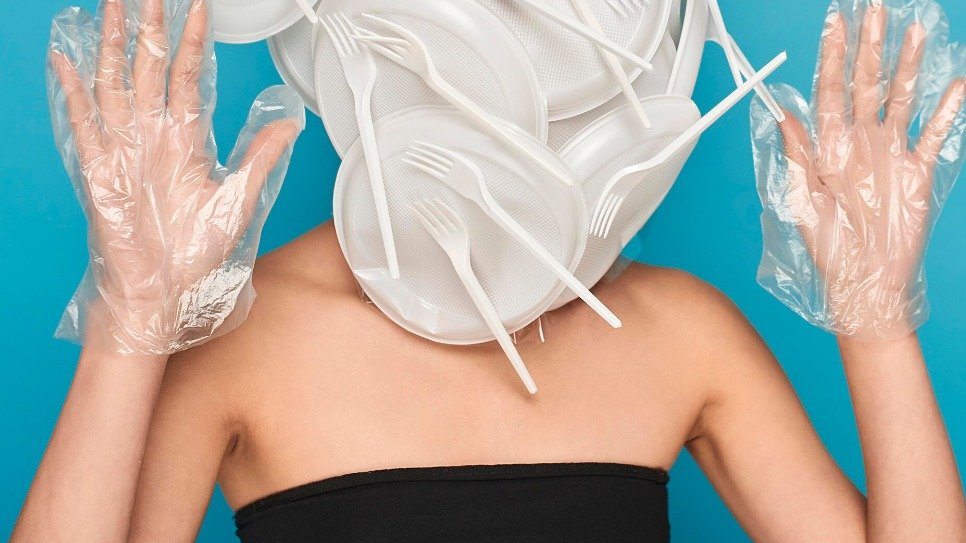
Learning how to remove microplastics from your body has become a serious health topic as scientists confirm plastic particles are present in blood, lungs, and digestive systems. Microplastics are plastic fragments smaller than 5 millimeters that enter the body through food, water, and air. According to the World Health Organization, microplastics have been detected in drinking water and food globally, raising concerns about long term exposure.
Current science shows that the human body cannot instantly eliminate all microplastics. However, research also indicates that reducing intake and supporting natural detox pathways can lower overall body burden. Understanding how to remove microplastics from your body starts with knowing how exposure happens and how the body processes foreign particles.
How to Remove Microplastics From Your Body Naturally
Direct answer:
How to remove microplastics from your body naturally focuses on reducing exposure and supporting the liver, gut, kidneys, and lungs, which handle most detox processes.
Microplastics mainly exit the body through feces, urine, and mucus. A 2022 study published in Environmental Science and Technology confirmed that over 90 percent of ingested microplastics are excreted through stool within days. This shows the body can remove some particles when intake is reduced.
Natural detox systems involved
- Digestive tract
- Liver detox enzymes
- Kidney filtration
- Respiratory mucus clearance
Supporting these systems consistently is key when applying how to remove microplastics from your body in daily life.
How Does the Body Process Microplastics
Direct answer:
The body treats microplastics as foreign particles and attempts to expel them, but very small particles may remain longer.
Research from the European Commission in 2023 showed that microplastics larger than 150 micrometers are mostly excreted, while smaller particles may cross biological barriers. This explains why prevention matters as much as removal.
What affects retention
- Particle size
- Exposure frequency
- Gut health
- Immune response
This is why how to remove microplastics from your body must focus on both detox and exposure control.
Dietary Strategies That Support Microplastic Removal
Diet plays a central role in how to remove microplastics from your body because the gut is the main exit route. High fiber intake increases stool bulk and speeds transit time.
A 2021 WHO supported review found that populations consuming high fiber diets had faster elimination of ingested contaminants compared to low fiber diets.
Foods that help elimination
- Soluble fiber from oats and legumes
- Insoluble fiber from vegetables
- Antioxidant rich fruits
- Sulfur containing foods like broccoli
These foods support gut movement and reduce contact time between microplastics and intestinal walls.
How to Remove Microplastics From Your Body Through Reduced Exposure
Direct answer:
The most effective way to apply how to remove microplastics from your body is to stop adding new particles.
The EPA reports that bottled water can contain significantly more microplastics than filtered tap water. A 2024 analysis estimated bottled water averaged over 200,000 plastic particles per liter, mostly nanoplastics.
Major exposure sources to reduce
- Bottled water
- Plastic food containers
- Synthetic clothing fibers
- Processed foods
Lowering exposure allows the body to clear existing particles more efficiently.
Role of Hydration and Kidney Function
Proper hydration supports kidney filtration, which is essential for how to remove microplastics from your body. While kidneys cannot filter all particles, they help remove soluble toxins attached to microplastics.
According to the National Institutes of Health, adequate hydration improves toxin clearance efficiency by up to 30 percent in healthy adults.
Hydration best practices
- Drink filtered water
- Avoid plastic bottles
- Spread intake across the day
This supports detox without overstressing the kidneys.
Can Sweating Help Remove Microplastics
Direct answer:
Sweating may help eliminate trace contaminants, but it is not a primary pathway for microplastics.
A 2022 EPA review noted that sweat primarily removes salts and small molecules. Microplastics are more likely cleared through digestion and mucus. However, sweating supports overall detox health.
Helpful activities
- Moderate exercise
- Sauna use if tolerated
- Good skin hygiene
These practices complement but do not replace core detox pathways.
Summary Table
| Detox Pathway | Effectiveness | Supporting Evidence |
|---|---|---|
| Gut excretion | High | Environmental Science and Technology |
| Liver detox | Medium | WHO metabolic studies |
| Kidney filtration | Medium | NIH hydration research |
| Sweating | Low | EPA reviews |
| Exposure reduction | Very high | WHO and EPA consensus |
Key Takeaways
- How to remove microplastics from your body depends on reducing intake first
- Most microplastics exit through stool within days
- High fiber diets improve elimination
- Filtered water reduces new exposure
- No supplement can instantly detox microplastics
Conclusion
Understanding how to remove microplastics from your body requires a realistic and science based approach. The body can eliminate many particles naturally, but only when exposure is controlled. Supporting digestion, hydration, and detox organs while reducing plastic contact is the most effective strategy. As WHO and EPA research continues, prevention remains the strongest defense.
FAQs
Can you fully remove all microplastics from your body
No. Current research shows some particles may remain, but reducing exposure lowers total burden.
How long does it take to remove microplastics from your body
Most ingested particles are excreted within days, according to laboratory studies.
Do detox supplements help remove microplastics
There is no clinical evidence that supplements directly remove microplastics.
Is fasting effective for microplastic detox
Fasting does not remove microplastics and may slow gut elimination.
What is the safest long term strategy
Consistently reducing exposure while supporting natural detox systems.


