
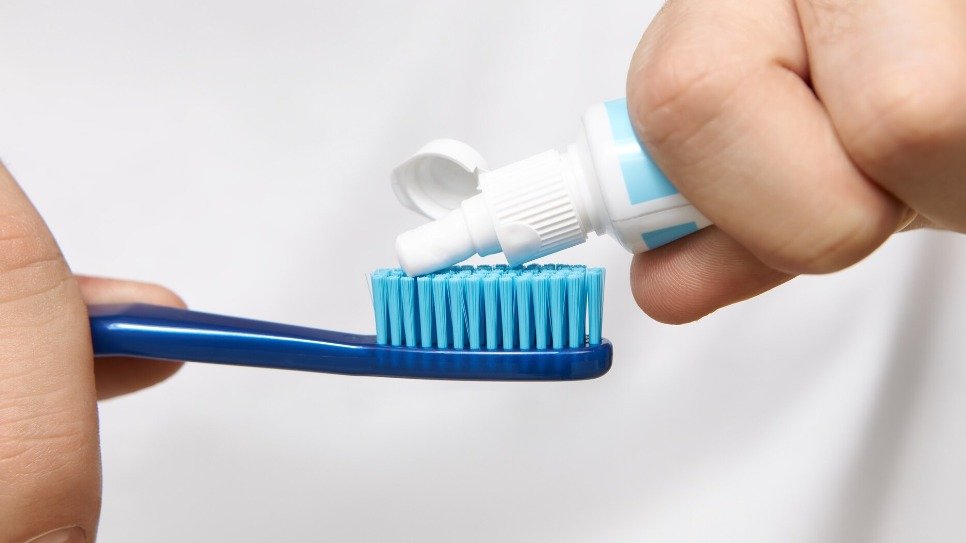
Microplastics in toothpaste sounds like something that should not exist.
Yet research shows that some toothpaste products have contained plastic particles.
These particles are often added for texture, polishing, or aesthetic effects.
Microplastics are typically defined as plastic particles smaller than 5 mm.
In rinse off products like toothpaste, the concern is simple.
Whatever goes down the drain can reach waterways if it is not fully captured.
The good news is that bans and restrictions have pushed many brands to reformulate.
The remaining challenge is knowing what to look for on ingredient lists.
Microplastics in toothpaste and what they are
Microplastics in toothpaste are tiny solid plastic particles that may be intentionally added or present as plastic fragments.
They can appear as beads, granules, or irregular particles.
A 2023 systematic review reported microplastics in some toothpaste samples, with shapes described as granular, fragments, fibers, and irregular particles.
Common terms linked to plastic particles
Key plastic polymers discussed in toothpaste related research include:
- Polyethylene
- Polypropylene
- Polyethylene terephthalate
- Nylon
Not every abrasive is plastic.
Silica and calcium carbonate are common non plastic polishing agents.
Microplastics in toothpaste and why brands used them
Microplastics in toothpaste were often used to polish teeth, improve texture, and create a smooth feel.
Plastic microbeads can act like uniform scrubbers.
They also help create a consistent sensory experience.
But uniform does not mean harmless.
Small particles are hard to filter in real world wastewater systems.
That is why regulators targeted rinse off products first.
Microplastics in toothpaste and what the law says
In the United States, microplastics in toothpaste are restricted when they are intentionally added plastic microbeads in covered rinse off cosmetics.
The FDA explains that the Microbead Free Waters Act covers rinse off cosmetics, including toothpaste, when they contain intentionally added plastic microbeads used to cleanse or exfoliate.
The law defines a plastic microbead as a solid plastic particle 5 mm or less intended to exfoliate or cleanse.
NOAA also summarizes the US microbead ban history and purpose.
In the European Union, the REACH restriction on intentionally added microplastics began applying on 17 October 2023.
The EU framework targets synthetic polymer microparticles intentionally added to products, with transitional periods for some cosmetic uses.
Microplastics in toothpaste and the latest statistics
A 2023 systematic review found evidence that some toothpaste products in certain regions contained microplastics and reported measurable amounts.
Here are the key numbers from that review:
- Reported percentage weight ranged from 0.2% to 7.24% in the toothpaste samples that contained microplastics.
- Malaysia was estimated to release 0.199 trillion microbeads annually from personal care products in the review summary.
- Toothpastes in Turkey were reported to release an average of 871 million grams of microplastics annually.
- In India, the review summary reported 1.4 billion grams of microplastic particles emitted annually from toothpaste.
Important context matters.
The review also notes that evidence coverage is limited to a small number of countries.
So, microplastics in toothpaste is not a universal result for every market or brand.
Microplastics in toothpaste and where they go after the sink
Microplastics in toothpaste can enter wastewater systems and may reach rivers or seas if not fully removed.
Wastewater treatment can capture some particles.
But removal is not perfect, especially for very small particles and fibers.
Once in the environment, microplastics can be eaten by small organisms.
This can move pollution into food chains over time.
The World Health Organization has also reviewed exposure routes for microplastics through air, food, and water.
It highlights that exposure assessment is evolving and that more evidence is still needed.
Microplastics in toothpaste and how to spot them on labels
To avoid microplastics in toothpaste, check ingredient lists for common plastic polymers and look for brand statements about microbead free formulas.
Practical label checks
Look for words that may indicate plastic particles:
- Polyethylene
- Polypropylene
- Nylon compounds in some formulations
Also look for clear claims like microbead free.
Claims are not perfect, but they help.
If you want a simple routine, focus on toothpaste that uses:
- Hydrated silica
- Calcium carbonate
- Baking soda based abrasives
These are common non plastic options.
Summary Table
| Topic | What it means for microplastics in toothpaste | What to do |
|---|---|---|
| Intentional microbeads | Added as scrubbers or texture agents | Avoid plastic polymer ingredients |
| US rules | FDA explains toothpaste is covered under microbead law scope | Prefer compliant markets and brands |
| EU rules | EU restriction began applying 17 Oct 2023 | Watch reformulation and labels |
| Study data | Some regions reported measurable levels and large emissions | Use safer alternatives |
| Environmental pathway | Can pass into waterways via drains | Reduce plastic sources at home |
TLDR
- Microplastics in toothpaste have been documented in some studies and markets.
- The FDA states toothpaste is covered under the US microbead law scope for intentionally added microbeads.
- The EU restriction on intentionally added microplastics began applying on 17 Oct 2023.
- Ingredient list checks are your best practical filter.
- Silica and calcium carbonate are common non plastic polishing agents.
FAQs
Are microplastics in toothpaste still common today
They are less common in markets with strong bans, but research shows some products in some regions have contained them.
Do US rules fully eliminate microplastics in toothpaste
The FDA describes restrictions on intentionally added plastic microbeads in covered rinse off cosmetics, including toothpaste.
Can microplastics in toothpaste affect human health directly
Health evidence is still developing.
WHO notes exposure assessment is ongoing across food, water, and air.
How do I avoid microplastics in toothpaste when shopping
Read the ingredient list and prefer products that rely on silica or calcium carbonate instead of plastic polymers.
Why did regulators focus on microplastics in toothpaste first
Because it is a rinse off product and particles can go straight from the sink to waterways.


