Introduction to Microplastics
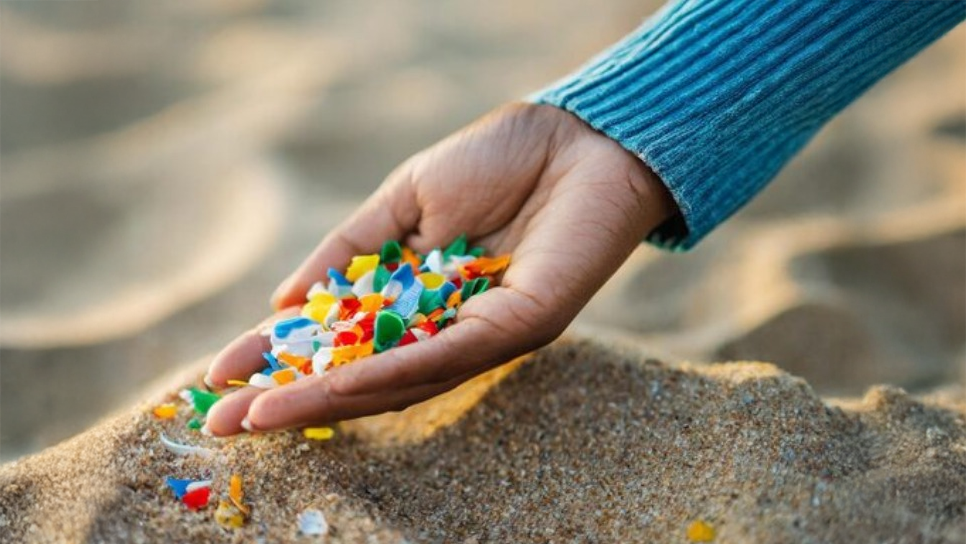
The world is facing a growing challenge as microplastics continue spreading across ecosystems and entering the human body. These particles are smaller than five millimeters and originate from a wide range of plastic materials that break apart over time. They are now found in oceans, rivers, soil, rain, food, and even the atmosphere. The World Health Organization reports that billions of people may be consuming micro sized plastic particles daily through drinking water and food. The United Nations Environment Programme states that more than four hundred million tons of plastic are produced annually, and at least fourteen million tons end up in the ocean each year. The United States Environmental Protection Agency also highlights that micro sized plastic particles now appear in more than eighty percent of aquatic environments that are tested globally.
These findings show why the study of micro sized plastic particles has become essential. Their spread has direct links with issues such as microplastics in water, microplastics in food, microplastics in soil, microplastics in rain, microplastics in animals, microplastics in clothing, and microplastics in human body. Research even shows evidence related to microplastics in brain, which signals a potential health crisis that is only beginning to unfold. Understanding where these particles originate, how they move, and how they affect the environment and human health is now more important than ever.
Types of Microplastics
Primary Microplastics
Secondary Microplastics
Nanoplastics
Sources of Microplastics
Clothing and Textiles

Car Tires
Tire abrasion produces millions of particles yearly. These particles enter storm drains and waterways and contribute to particulate matter in air. Tire dust represents a major portion of plastic pollution on roadways. Industrial studies are exploring how these particles affect ecosystems and living organisms.

Industrial Processes

Household Products

Wastewater Treatment Plants
Municipal plants capture many particles but cannot eliminate all micro sized plastic fibers and fragments. This leads to the spread of particles into rivers and agricultural fields. Farmers using sludge fertilizer may unknowingly contribute to issues such as microplastics in soil through contaminated irrigation water.

Agricultural Runoff

Ocean and River Plastics

Microplastics in the Environment
Microplastics in Water
Microplastics in Soil
Soil contamination affects agriculture and food production. Particles affect soil structure, microbial life, and root development. Farming systems using treated wastewater or plastic mulch films contribute to the buildup of microplastics in soil which can then migrate into crops.
Microplastics in Air
Plastic fibers shed from clothing, carpets, furniture, and tires circulate through indoor and outdoor environments. Inhalation is now recognized as a major exposure pathway. Concerns related to breathing plastic dust appear in discussions like microplastics artificial turf lung damage, which highlight airborne particle risks.
Microplastics in Food
The presence of microplastics in food has been detected in fruits, vegetables, meat, seafood, and salt. Studies show sea salt may contain up to six hundred particles per kilogram. This has led to discussions such as low microplastic sea salt and whether items like does himalayan salt have microplastics require further regulation. Topics like core power microplastics arise when consumers question packaged beverages and nutritional products.
Microplastics in Rain
Raindrops capture airborne particles as they fall. This leads to the spread of microplastics in rain in both rural and urban regions. Findings also appear in discussions such as microplastics infographic, which visualize how particles cycle through the atmosphere.
Microplastics in Animals and Bees
Wildlife ingest micro particles through food and water. Birds, fish, livestock, and marine life all show contamination. Studies on pollinators reveal microplastics in bees, showing the reach of plastic pollution across ecosystems.
Health Effects of Microplastics
Human Exposure Pathways
Micro sized particles enter the body through inhalation, ingestion, and skin contact. Questions such as are pfas microplastics and effects on biological systems continue to shape public discussions.
Organ Penetration and Circulation
Particles have been discovered in the bloodstream, raising topics such as microplastics blood test. Scientists have also documented microplastics in sperm and microplastics in brain, suggesting that the particles may cross critical biological barriers. Research even studies potential links such as autism microplastics, microplastics dementia, and microplastics colon cancer, although more evidence is needed.
Toxic Chemical Carriers
Removing Microplastics: Do Filters Work
Reverse Osmosis
Reverse osmosis removes many contaminants including micro sized particles. Studies confirm high removal rates. This method is used in many homes and industries.
Carbon Filtration
People often ask do carbon filters remove microplastics. These filters may capture some particles but are less effective than reverse osmosis.
Boiling Water
Consumers wonder about boiling effectiveness. Questions like does boiling water get rid of microplastics arise often. Boiling does not eliminate particles but may alter structure slightly.
Home Filtration
Products continue to evolve, including microplastic testing kit and filters for laundry such as microplastic filter for washing machine, which reduce textile fiber pollution.
Industrial Solutions
Large scale filtration includes advanced wastewater treatment and sediment traps. These aim to reduce environmental accumulation.
Government and Global Regulations
European Union Guidelines
The EU has banned microbeads and is developing rules for biodegradable materials and packaging waste. The region also evaluates synthetic clothing standards and industrial discharge controls.
United States EPA
The EPA examines water quality, soil contamination, and atmospheric pollution. It regularly publishes data on the spread of micro sized particles. Regulatory frameworks continue to expand.
World Health Organization and UNEP
Both organizations issue warnings about unknown long term health effects. Their reports emphasize the need for stricter monitoring and global policy changes.
Microbead Bans
More than sixty countries have banned microbeads from cosmetics and personal care products. Studies such as microplastic regulation explore how laws shape future plastic management.
Microplastics vs Nanoplastics
Nanoplastics differ in size and behavior. Their extremely small scale allows them to interact with cells in ways that micro sized particles cannot. They are harder to detect and more difficult to remove. Their long term effects remain largely unknown but may pose more serious biological risks due to their mobility.
Solutions and Prevention
Individual Actions
Sustainable Materials
Textile Innovations
Companies explore designs that shed fewer microfibers. This includes new fabrics and improved washing technologies.
Zero Waste Approaches
Communities promote reduced plastic use, recycling improvements, and environmental education. This supports long term sustainability for ecosystems and human health
Special Cases
Conclusion
The spread of microplastics across the planet shows how deeply plastic pollution has entered ecosystems and daily life. These particles now appear in drinking water, food, soil, rain, and living organisms. They affect wildlife, human health, and global ecological balance. Studies reveal contamination in blood, organs, and reproductive cells, raising new questions about long term effects. Regulations continue to expand, but more research is required to understand the complete impact.
Readers can explore related articles on topics such as microplastics in water, microplastics in food, microplastics in rain, microplastics in soil, microplastics in air, and filtration methods. This pillar serves as the central guide for understanding micro sized plastic pollution and the steps needed for a cleaner future.